
Movements. And a pause within a pause.
Some reflections as the dust settles on 2024; looking ahead to what 2025 might hold.

This autumn has provided me more reflection time than I have had in years. I have enjoyed letting some of the dust settle on the last 5 years of movement building and seeing what emerges for me.
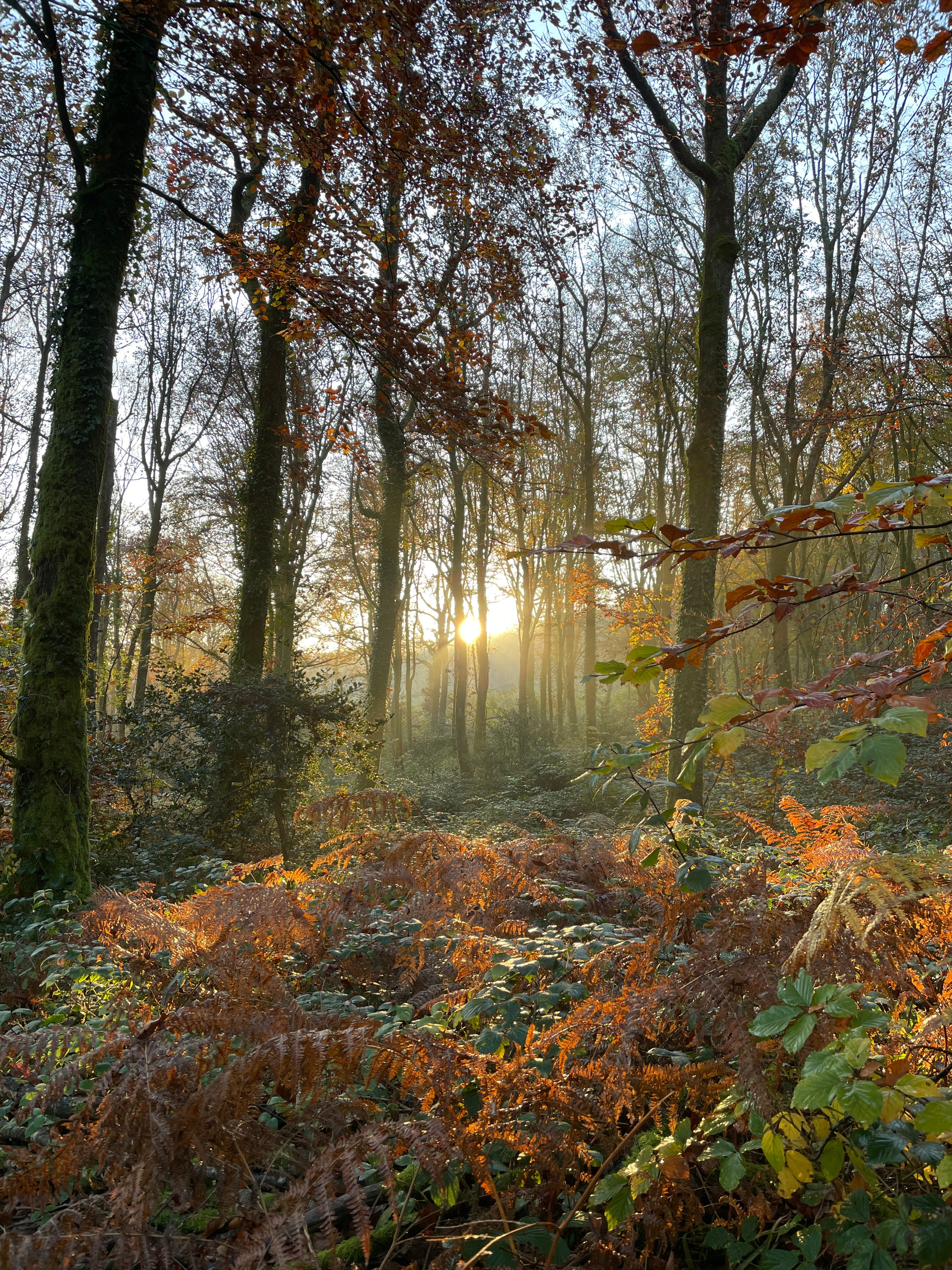
2025 will be a year for me of finding my freelance niche and I will be writing more but as we head into the Christmas pause here is some of what I’ve been thinking about:
Climate movements globally feel like they are in a period of reinvention after the highs of 2019/2020 and the real lows of the Covid era. Some are professionalising. Some are struggling to maintain energy. Many are exploring what citizen-power looks like in contexts where democracy is eroding. There is significant turnover in movement leadership (myself and others) and key movement leaders heading into new roles. This pause creates opportunities but there is a risk that the lower energy in movement organising is misinterpreted by others within the climate ecosystem, particularly funders. Movements impact is never linear.
As I’ve raised my head to look around at other organisations that have come out of that wave of 2019/2020 movements energy, I’m really proud of the impact of my organising with Parents for Future UK. When you’re in the middle of something it can be hard to see the shape or full impact of the thing you’ve created but as I compare PFFUK to some of the other grassroots movements out there, I’m impressed with how we managed to retain the ‘movement’ nature of the work while also being strategic in campaign alignment and emotionally supportive. I’m proud too of how much we centred community building and relationships in how PFFUK works; as we see more political, economic and social instability I still believe that community building is what’s needed. PFFUK is not perfect, but no movement is. I want to share some of the learnings and strategic choices made so far as I can see lots of other movements grappling with issues we found ways to navigate.
There is hope in intergenerational movement organising. Stories that are still rarely being heard. I’ve spent the last month immersed in stories of powerful organising, campaigning and engagement from all over the world and it is deeply inspiring talking with organisers from Ecuador to Vietnam, India to Canada and beyond. Different age groups coming together and recognising that while no generation have navigated a challenge like the climate crisis before, we stand our best chance if the wisdom of the elders, the energy of youth and the skills of adults of all ages work together. After 5 years connected to intergenerational movements around the world I can see the story of this work – the story of love as a politicising force inspiring brilliant, brave, ordinary people to step into action. I can also see parents stepping into action not just on climate but across other issues too - it’s time to tell a collective story of parents as a force to be reckoned with.
Collectively, we need to learn some lessons from the last 5 years about how to make sure we are ready for the next wave of movement organising. Movements and grassroots citizen-led initiatives are part of how change will happen. There’s still a long way to go to ensure that when the next big wave of movement organising emerges, when new leaders step forward – as surely will happen – they are supported and enabled. And not just in places where the 2019/2020 wave of movements was most successful but in a wider range of places. In the UK Social Change Nest are playing an important role in enabling fiscal hosting and the use of platforms like Open Collective to support a growing number of organisations but globally there are still huge gaps in movement infrastructure internationally. I’ve heard from organisers in Mexico, Nigeria and Zimbabwe just in the last week around the challenges of navigating red tape and the impact this is having on their work.
We urgently need to shift how funders relate to movements, or how movements are funded and resourced. Insecurity and the need to dance to funders’ fiddles are huge contributors towards burn out. Funders rarely appreciate some of the legwork that goes in to enabling organisations to access resources. Governance work is still too rarely funded or supported, organisations are left to guess what governance might enable them to apply for funding. This is unfair on new organisations, donors should be investing in supporting this work far more. Where cash reserves are rarely a reality, organisers are left having to dig into reserves of energy and good will to meet donor governance requirements.
Programmes that invest in people are part of the solution, movement leaders need to be supported, to feel financially and emotionally secure. The Parent Climate Fellowship programme has far exceeded our expectations as a transformative programme for building leadership – it’s a simple and light touch programme but has many ingredients other programmes could learn from.
We need to design-in radical imagination across more spaces. I have loved leading workshops based on Rob Hopkins’ work with intergenerational movement leaders but we also need radical imagination in governance. Phoebe Tickell is leading some brilliant work experimenting with this. I want to explore how we could build long-term decision-making structures that incorporate human responsibilities to the non-human world as well as rights of future generations. I think there is exciting potential for creative thinking in work to embed future generations governance and long-term thinking following the UN Summit of the Future. The School of International Futures are doing brilliant work to convene in this space.
The legal system plays a more important role than we often give it credit for in shaping how we relate to our selves, to each other, to other species, to power and to decision making. And: the legal system doesn’t provide us with any silver bullets. While I’m heartened by the increasing energy around climate litigation and following closely brilliant efforts such as the case currently at the ICJ, unless we combine court cases with campaigning and citizen empowerment a court case alone will very rarely achieve change. The worlds of law and movements speak very different languages, move at different speeds and come from different analyses of power. I’ve spent many years immersed in both. There remains huge potential to bring together the power of the law and of movements but I don’t see many examples of that happening really effectively yet. There is a huge amount of work to do to ensure legal strategies and movement organising can work effectively together.
Currently the law is being weaponised to prevent change, in particular right here in the UK. We need to change our relationship with law. I’m interested in research that has been done recently by Frameworks and The Law Society around how justice and the rule of law is understood – unsurprisingly, not very well. Having worked on narrative shift and building engagement strategies to reach broad audiences in the climate space for the last few years, I’m very interested in how we could shift public narratives around rule of law and justice. Unless we want to see more rights eroded over the next few years – and over coming elections – we need public support for the rule of law and justice as things of value.
I plan to write more about many of these topics next year. This post is my commitment to doing so!
I am clearer too on what I have to offer. I’ve spent most of my career learning by doing and stepping back has enabled me to recognise all that I’ve learnt along the way.
2025 will see me more confidently selling my expertise on:
Grassroots climate movement strategy, organisational development and infrastructure.
Legal strategy for movements, movement strategy for legal organisations and campaigners - bringing the power of the law, campaigns and movements closer together.
Intergenerational public engagement strategies – what’s working where and how to strengthen it.
Fundraising strategies, in particular for movements. I’m interested to work with organisers and donors interested to support innovative and emergent high impact climate projects.
In depth scoping and legal/policy research; landscape and movement mapping and synthesis.
Fellowship programme design and organisational capacity building. Integrating support for the whole person to programme and organisational design.
Legal narrative shift and closing civil society space – including protest rights. Connected to this I am committed to continuing to explore how I can support work on the rights of future generations, legal imagination and rights frameworks beyond human supremacism.
That’s a lot of niches but these are all things I love working on and talking about. If you want to chat about any of this drop me a message!
So interesting to read and to see how far you’ve come. You have so much to offer.